Humanities Week was a vibrant celebration of curiosity, creativity and critical thinking across History, Geography, Philosophy, Economics and Politics. Throughout the week, students and staff took part in a wide range of talks, debates and activities designed to bring the Humanities to life beyond the classroom.
The week began with an engaging external speaker session for Sixth Form students, exploring legal battles involving the Trump administration and renewable energy. This thought-provoking talk set the tone for the week, encouraging students to consider how political decisions can shape global environmental issues.
On Tuesday, Key Stage 4 students explored UK–US relations in an assembly, followed by a whole-school debate on vaccination and ethics. Students across Years 7–11 demonstrated impressive reasoning and confidence as they engaged with a complex and highly relevant contemporary issue.
Wednesday was Earth Day – global initiative that highlights the importance of environmental protection and collective responsibility. To mark this, activities across the school included a KS3 workshop focused on sustainability and environmental responsibility, with a ‘Hazards Defence Builders’ activity, working collaboratively to design solutions to real-world geographical challenges.
Thursday’s programme focused on the idea of ‘Living History,’ with KS3 exploring what it means to connect the past to the present. This theme was further brought to life through an external talk on the history of school meals, which sparked curiosity about how everyday experiences have evolved over time. One of the highlights of the week was the Year 7–9 Living History Museum, where students acted as curators of their own family histories, bringing in meaningful objects from home and sharing the stories behind them. This created a powerful and personal insight into heritage, identity and memory.
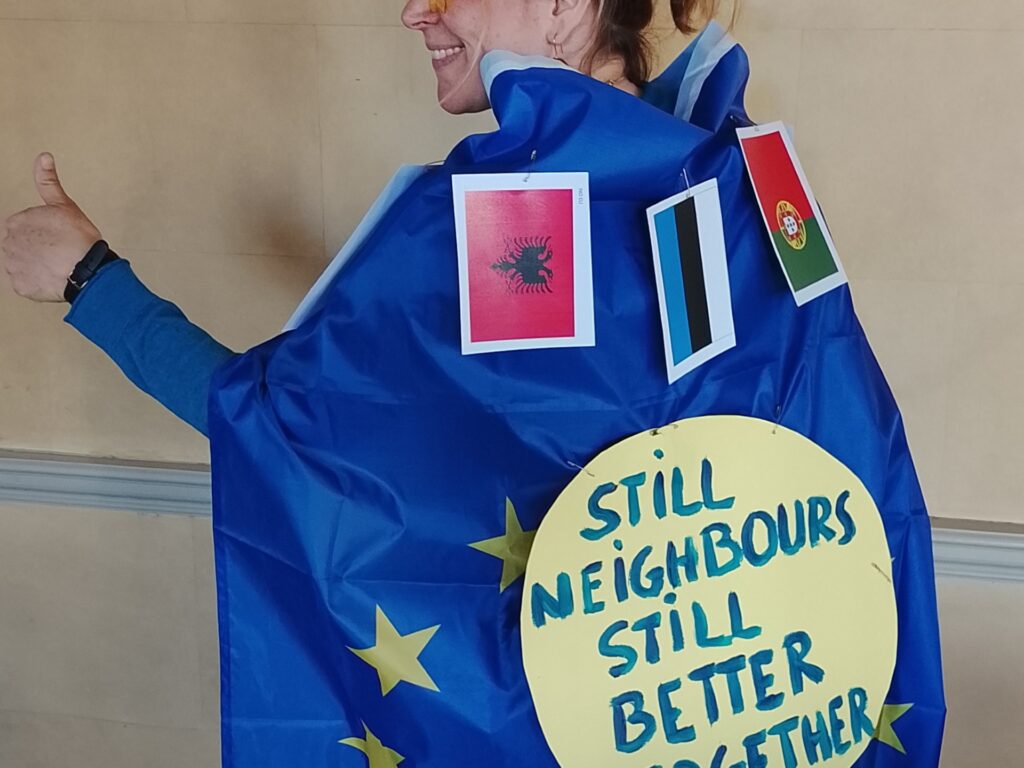
The celebrations culminated in the Humanities Dress-Up Day, where students and staff arrived in imaginative costumes inspired by across the Humanities. From historical figures and ancient gods to geographical phenomena, economic concepts and philosophical ideas, the creativity on display was outstanding. Prizes were awarded for a range of categories, recognising originality, humour and inventive last-minute ideas.
Humanities Week was a fantastic reminder of how the Humanities connect us to the world around us. It encouraged students to think deeply, ask questions and see their subjects as living, evolving disciplines that shape both the past and the future.